Many pet parents and homeowners in Bhubaneswar believe that fleas and ticks are exclusively an outdoor canine or feline nuisance. However, once these microscopic hematophagous (blood-sucking) ectoparasites enter a domestic residence, they establish massive breeding colonies deep within rug fibers, sofa seams, bed mattresses, and hardwood floor crevices.
Beyond causing unbearable skin itching and allergic dermatitis, fleas and ticks are dangerous disease vectors. They transmit zoonotic bacterial pathogens including Lyme disease, Rocky Mountain spotted fever, murine typhus, and tapeworm parasites to both household pets and human family members.
In this comprehensive medical and entomological guide by Anusaya Pest Control, learn the biology of fleas and ticks, early infestation symptoms, pet-safe decontamination steps, and our certified professional eradication protocols.
- 1. Flea Life Cycle & Extreme Reproduction
- 2. Tick Vectors: Lyme Disease & Tick Paralysis
- 3. Health Risks to Infants & Family Members
- 4. Hidden Harborages in Rugs & Mattress Seams
- 5. Pet Grooming & Veterinary Protocols
- 6. Professional IGR Chemical Extermination
- 7. Flea vs Tick Comparison Matrix
- 8. Frequently Asked Questions
Flea Life Cycle & Extreme Reproductive Speed
The common cat flea (Ctenocephalides felis) infests both dogs and cats. A single adult female flea consumes up to 15 times her body weight in blood daily and begins laying eggs within 24 hours of her first blood meal. Over her short lifespan, she deposits up to 2,000 smooth, non-sticky eggs that fall off your pet onto carpets, pet bedding, and upholstery.
Flea larvae feed on "flea dirt" (digested blood excreted by adults) before spinning tough, sticky silk pupal cocoons. In this pupal stage, fleas can remain dormant inside floor cracks for up to 9 months, emerging in seconds when they sense the vibrations, heat, and carbon dioxide of approaching humans or pets.
Tick Vectors: Lyme Disease, Ehrlichiosis & Tick Paralysis
The Brown Dog Tick (Rhipicephalus sanguineus) is unique because it can complete its entire life cycle indoors, infesting baseboards, false ceiling edges, and curtain folds. Ticks anchor into the host's skin using backward-curved teeth (hypostome) and feed for several days.
Health Hazards to Infants & Human Family Members
Fleas jump up to 8 inches vertically, targeting human ankles, calves, and waistbands. Flea saliva contains anticoagulants and antigenic compounds that trigger intense, itchy papular urticaria (flea bites). In children, constant scratching breaks the dermal barrier, leading to secondary bacterial staph infections and permanent scarring.
Hidden Harborages: Carpets, Mattresses & Baseboards
Only 5% of a flea population consists of adult fleas visible on pets. The remaining 95% exists as invisible eggs (50%), larvae (35%), and pupae (10%) embedded deep within your home environment.
- Area Rugs & Carpet Pile: High-density fibers shelter larvae from sunlight.
- Sofa & Recliner Cushions: Deep crevices collect shedding hair and flea dirt.
- Wooden Baseboard Gaps: Ticks climb vertical walls and hide in ceiling joints.
Pet Grooming & Environmental Washing Protocol
- 1. Vet-Approved Spot-On Treatments: Administer monthly oral chewables (Fluralaner/Afoxolaner) or topical spot-on treatments under veterinary guidance.
- 2. High-Temperature Washing: Wash pet beds, blankets, and sofa throws in water heated above 60°C weekly.
- 3. Daily HEPA Vacuuming: Vacuum all carpeted floors and sofa crevices daily. Immediately dispose of the vacuum canister contents into a sealed exterior plastic bag.
Professional IGR Chemical & Steaming Extermination
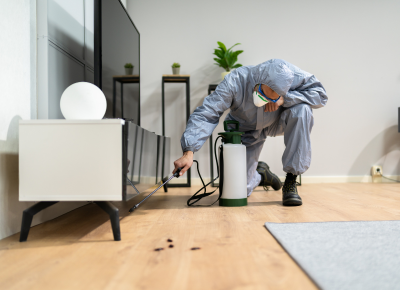
Standard aerosol bug sprays fail against flea pupae. At Anusaya Pest Control, our specialized Parasite & Bed Bug Treatment combines:
- 180°C High-Heat Dry Steaming: Instantly kills eggs and pupae embedded in upholstery.
- Insect Growth Regulators (IGRs): Pyriproxyfen chemistry that prevents immature flea larvae from developing into biting adults.
- Microencapsulated Residual Knockdowns: Pet-safe synthetic pyrethroids providing continuous 90-day surface protection.
📊 Fleas vs Ticks: Medical & Biological Differences
| Characteristic | Fleas (Ctenocephalides) | Ticks (Ixodidae / Argasidae) |
|---|---|---|
| Locomotion | Powerful jumping legs; leaps up to 8 inches. | Crawls slowly; questing behavior on vegetation. |
| Feeding Duration | Multiple quick blood meals daily (minutes). | Anchors mouthparts and feeds continuously for 3-10 days. |
| Egg Laying Location | Lays eggs loosely on animal; fall onto carpets. | Lays thousands of eggs in secluded wall/ground cracks. |
| Primary Diseases | Flea Allergy Dermatitis, Tapeworms, Murine Typhus. | Lyme Disease, Tick Paralysis, Ehrlichiosis, Anaplasmosis. |
❓ Frequently Asked Questions (Parasite FAQ)
Eradicate Fleas & Ticks from Your Home Today
Protect your pets and family with pet-safe, hospital-grade parasite extermination from Anusaya Pest Control in Bhubaneswar.